
A forex carry trade seeks to earn the difference between a lower funding cost and a higher yield, but currency losses can exceed that income. A positive interest-rate gap is neither a forecast nor a promise of profit.
I regard the distinction between quoted yield and total return as the starting point. Your result also depends on exchange rates, financing terms, trading costs and position size, so the trade needs to be understood as currency exposure rather than dependable income.
Key Takeaways
- A carry trade uses a lower-yielding funding currency to gain exposure to a higher-yielding currency or asset.
- Exchange-rate losses can exceed the interest earned, even when the original rate gap remains positive.
- A retail broker’s overnight swap can differ from the headline interest-rate differential and may be a charge.
- Leverage magnifies losses as well as gains, while margin pressure can force positions to close.
- Product terms and account protections vary by country, provider and client classification across Europe.
What Is a Forex Carry Trade and What Can Go Wrong?
A forex carry trade seeks to earn more on the target exposure than it costs to fund it. The BIS’s analysis of currency carry trades examines how these positions interact with exchange rates.
How the funding and target currencies work
In the textbook transaction, a trader borrows the funding currency, exchanges it for another currency and purchases an interest-bearing asset. The hoped-for income is the investment yield minus the borrowing cost.
A yen-funded position, for example, can involve selling Japanese yen and buying Mexican pesos. This describes the structure, not an attractive trade direction. If the yen strengthens against the peso, the target-currency proceeds buy fewer yen when converted back. That exchange-rate loss can outweigh the yield earned, even if neither interest rate changes.

Why a broker’s swap is not the same as the rate gap
For a retail position, the relevant overnight adjustment is often called a swap, rollover or financing charge. It doesn’t necessarily equal the difference between two central-bank rates.
The broker’s calculation can include market funding rates, a markup, product conventions and account-specific terms. Direction also matters: buying and selling the same pair can produce different adjustments.
I wouldn’t infer a credit from policy rates alone. The forex swap rates guide explains why the actual adjustment can differ. Depending on the contract, financing may appear as a cash entry or another adjustment to the position.
How the carry trade works in real trading accounts
Retail traders can gain currency exposure through spot forex arrangements or currency contracts for difference (CFDs). A leveraged account may use broker financing rather than a literal cash loan followed by a bond purchase.
Forwards, FX swaps and exchange-traded products have their own pricing, settlement and contract terms. An institutional FX swap is also different from the overnight adjustment a retail platform labels “swap”. Similar economic exposure doesn’t make these instruments interchangeable.
Costs that can reduce the carry
The spread is the difference between buying and selling prices. Commission may apply on opening, closing or both, while currency conversion can add costs when charges use a different currency from the account.
Slippage means execution differs from the expected price. It can improve or worsen the result, although poor execution during market stress can compound losses.
Overnight rates can change during the holding period. Cut-off times determine which positions enter rollover, and larger adjustments may account for non-trading days. Neither the timing nor the calculation is universal. I include these factors when comparing forex broker costs, rather than relying on an advertised spread.
The effect of leverage and margin
Leverage creates market exposure larger than the funds committed as margin. Therefore, a relatively small currency move can produce a much larger percentage loss on those funds.
Financing can also depend on the position’s full notional exposure, rather than just the margin deposited.
A broker may increase margin requirements under the applicable terms. If the account no longer meets them, the broker can close positions. That can crystallise a loss before any hoped-for recovery or future carry materialises.
The main risks that can turn carry into a loss
Price movements, funding changes and execution determine whether accumulated carry survives.
An exchange-rate move can erase the interest earned
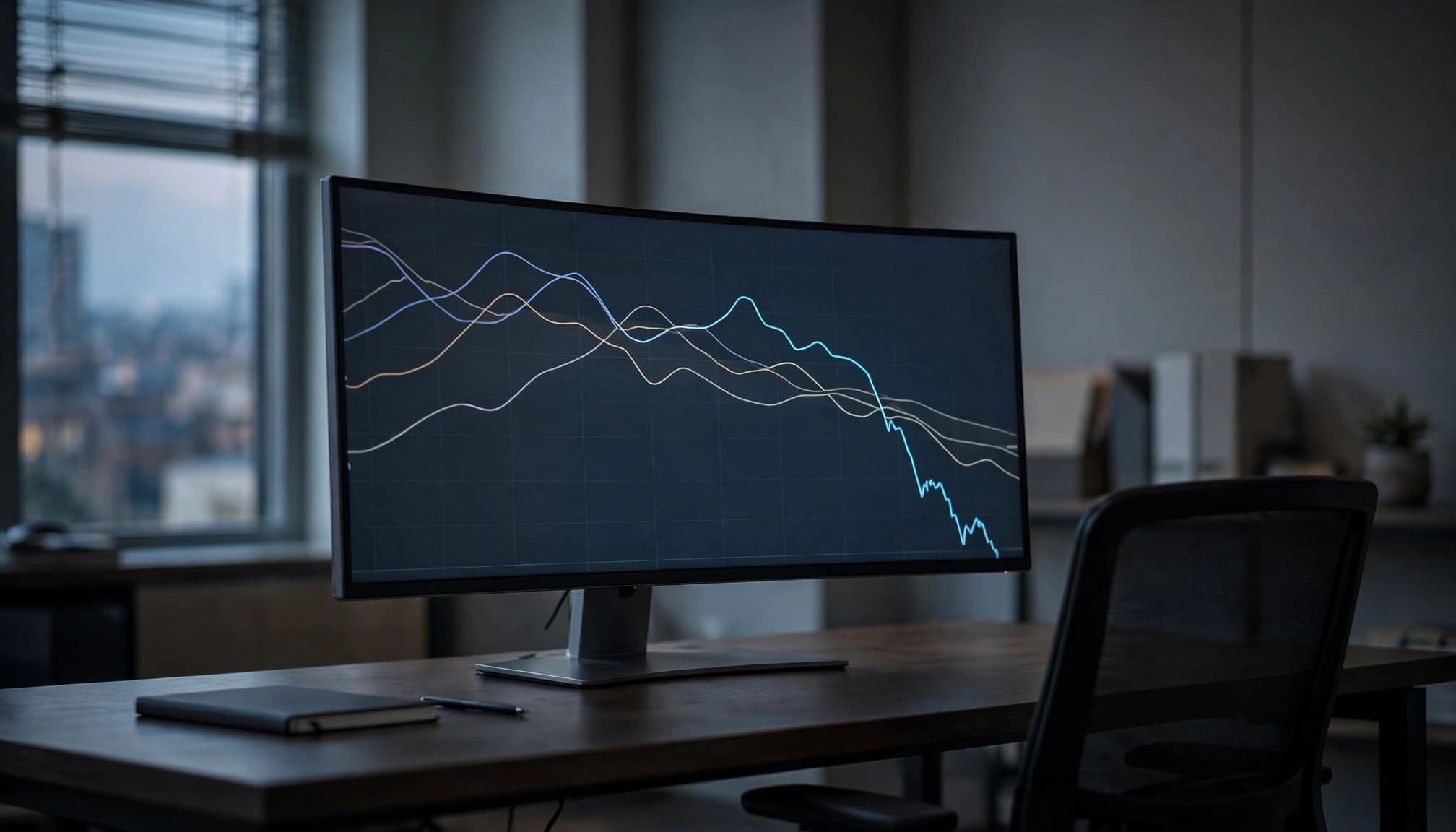
Interest builds over time, whereas an exchange rate can move abruptly. A modest fall in the target currency can therefore erase a much longer period of carry.
A higher nominal yield doesn’t establish a better total return. It also doesn’t establish that the currency is undervalued. With leverage, the same adverse move has a greater effect relative to the margin committed.
Rate changes, volatility and crowded exits
Changing central-bank expectations can affect both the prospective yield gap and exchange rates. Markets can react before an announced rate change takes effect.
Meanwhile, traders exiting similar positions may sell target currencies and buy back funding currencies together. Reduced liquidity can then widen spreads and worsen execution. A forex economic calendar identifies scheduled announcements, but it can’t predict their market impact.
What the August 2024 carry-trade unwind shows
The BIS’s account of August 2024 market turbulence, published on 27 August 2024, describes leveraged position reductions amplifying an initial reaction to negative US economic news.
During the episode, the yen strengthened sharply, while investment currencies including the Mexican peso weakened. The broad sell-off on 5 August showed how volatility and leveraged unwinds can interact.
Markets subsequently stabilised. I read this as evidence of an amplification mechanism, not proof that carry trades alone caused the turbulence or that every position behaved alike.
How to assess a carry trade without mistaking yield for safety
I would separate the assessment into the instrument, its complete holding cost and the account’s capacity to withstand losses. This is a framework for understanding exposure, not personalised financial advice.
Questions to check before holding a position overnight
The relevant contract documents define the long and short swap rates, calculation units, cut-off time and treatment of non-trading days. A rate expressed in points needs a different calculation from an annual percentage. Position size and account currency also affect the amount.
The assessment should include whether rates can change, opening and closing spreads, commissions and conversion charges. Margin terms matter alongside the financing estimate.
Ordinary stop orders don’t guarantee execution at their trigger price. A gap or thin market can produce a worse fill. Similarly, regulatory authorisation doesn’t protect a position against market losses, and account protections depend on the applicable jurisdiction and client category.
Why past carry returns do not predict future results
Historical performance isn’t a reliable guide to future outcomes. A strategy that benefited from stable exchange rates can face very different funding and liquidity conditions later.
I would treat a backtest as an account of results under stated assumptions. Missing spreads, commissions, rollover changes or realistic execution can materially overstate performance. Overfitting, where settings match historical noise rather than a repeatable relationship, adds another limitation.
A carry estimate also depends on its holding-period assumptions. Extending yesterday’s swap rate across a future year doesn’t establish the income that will actually accrue. Neither historical returns nor a positive financing estimate removes the possibility of loss.
Frequently Asked Questions
Is a forex carry trade risk-free income?
No. Currency losses, financing changes and trading charges can exceed the carry earned. I would treat any guaranteed-income description as misleading because the position remains exposed to market risk.
Can a carry trade lose money even when the target currency pays more interest?
Yes. The target currency can weaken enough to outweigh its interest advantage. Accumulated trading and financing costs can also leave the overall position at a loss.
Do long and short positions have the same swap rate?
They can have different rates for the same currency pair. Broker pricing and contract terms determine each side separately, so either direction may incur a charge.
Is a currency CFD the same as spot forex?
No. A currency CFD provides price exposure without delivering the underlying currencies. Spot forex arrangements can have different settlement and rollover terms, while product labels alone don’t establish the applicable protections.
Does a higher interest-rate gap mean a currency will rise?
No. Exchange rates also reflect inflation, growth, risk appetite and expectations already embedded in prices. News affecting either currency can outweigh the apparent attraction of a higher yield.
Are carry-trade products and protections the same across Europe?
No. Availability, leverage limits and protections depend on the country, provider, instrument and client classification. UK, EU, EEA and Swiss arrangements aren’t interchangeable, and professional accounts can differ from retail accounts.
Understand the Exposure Before Counting the Carry
A carry trade seeks income from a yield difference, but the total result depends on currency movements, financing and trading costs. Leverage can make an adverse move much more damaging relative to the funds committed.
My starting point remains the same: a positive rate gap establishes neither safety nor a profitable trade. Understanding the exact product and account terms is a prerequisite to understanding the risk, but it doesn’t remove the possibility of loss.