

Online casino identity checks can confirm who you are, whether a payment method belongs to you or where deposited money originated. A document request before withdrawal doesn’t automatically mean the operator suspects wrongdoing.
I separate these questions because each can require different evidence, and the rules aren’t uniform across Europe. This guide is for adults aged 18 or over, subject to higher local minimum ages, and starts with what happens after you request a payout.
Key Takeaways
- Identity, payment ownership and source-of-funds checks answer different questions, so the documents requested can differ.
- UKGC-licensed remote operators must verify age and identity before gambling, although later checks may still be necessary.
- Missing details, payment mismatches or risk-based enquiries can delay withdrawals without proving wrongdoing.
- Europe’s gambling rules vary by country; the new EU anti-money-laundering regulation applies from 10 July 2027.
- Use the operator’s secure submission channel, retain correspondence and distinguish document reviews from payment-processing delays.
How Online Casino Identity Checks Work Before a Withdrawal
The operator usually reviews your account details and withdrawal request, then compares information with electronic records or documents. It may ask follow-up questions before approving the payout or holding it pending further evidence.
The sequence depends on the operator, country and payment method. Approval is separate from the payment provider’s processing and your bank’s clearance.
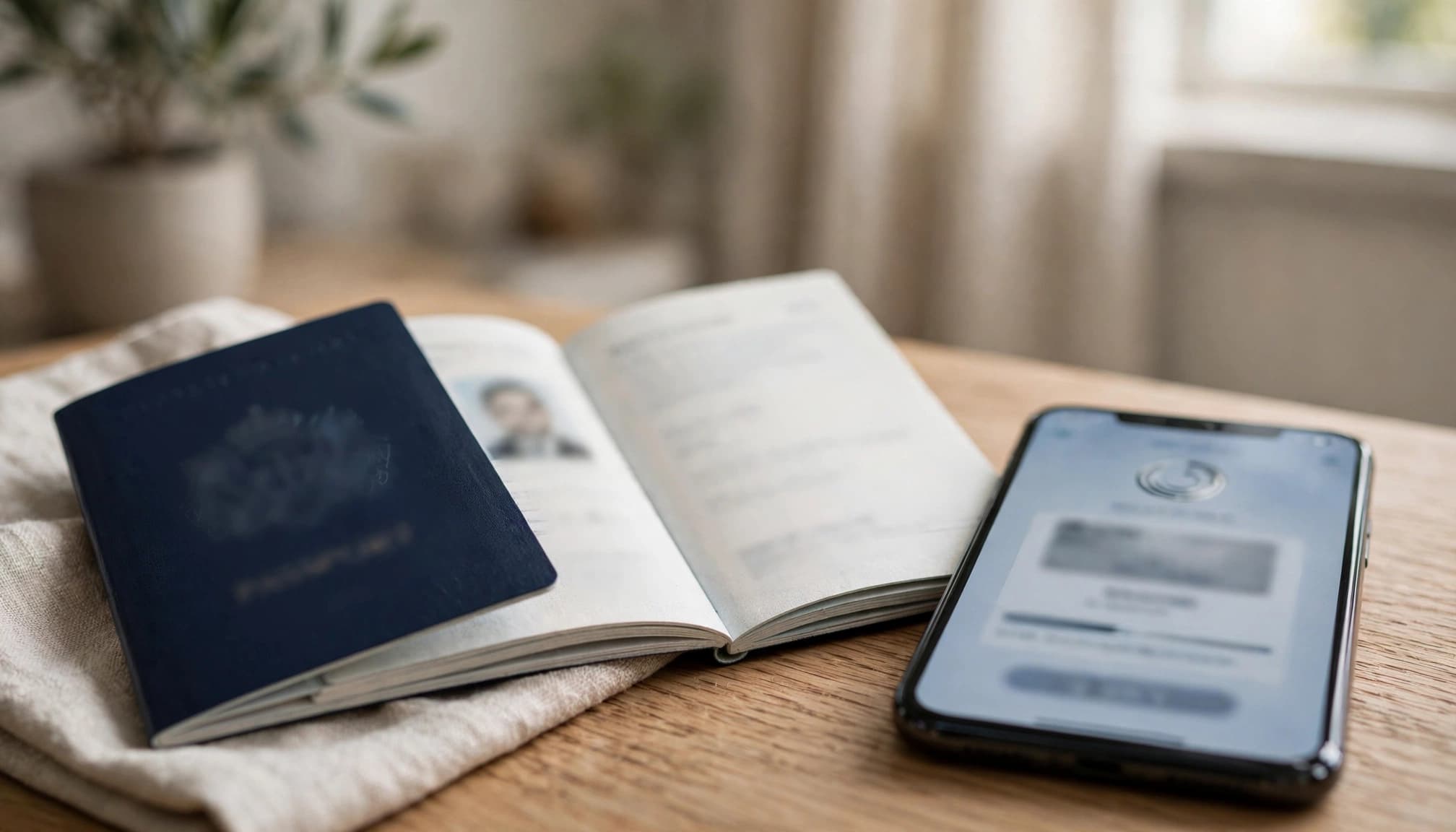
What the casino is checking
Identity and age verification establish who you are and whether you’re old enough to gamble. Payment ownership checks establish whether the card, bank account or e-wallet belongs to you.
A source-of-funds enquiry asks how you obtained the money used for gambling. These processes can support legal duties, account security and anti-money-laundering controls. However, a request alone proves no misconduct.
The Gambling Commission’s age and financial verification guidance distinguishes these checks for consumers using services it regulates.
Which documents you may be asked to provide
Possible identity documents include a passport, national identity card or driving licence. For your address, an operator may accept a recent utility bill, bank statement or official letter.
Payment ownership evidence might show your name and relevant account information. Source-of-funds evidence may include bank statements, payslips, tax records or documents explaining savings or an inheritance.
These are examples, not a universal checklist. The operator should explain which evidence it needs and provide a suitable submission channel. I wouldn’t assume that supplying a passport also answers a separate question about payment ownership or income.
Why a withdrawal can trigger extra checks
Additional online casino identity checks can follow incomplete account information, an unsuccessful electronic search or inconsistent details. A withdrawal method that doesn’t match the deposit history may also prompt questions.
Unusual transactions or a risk-based concern about funds can lead to further enquiries. None of these circumstances automatically proves fraud.

What happens if your details or documents do not match
An operator may request a clearer image, additional evidence or an explanation of a discrepancy. Meanwhile, it may pause the withdrawal or restrict account activity.
Use accurate account details and submit legible documents through the stated secure channel. Keep the original requests and your replies, including any rejection reasons.
I would distinguish a genuine unresolved discrepancy from repeated requests with no explanation. The Gambling Commission’s expectations concerning account withdrawals make clear that operators shouldn’t postpone checks they could reasonably have completed earlier.
How bonus terms and payment rules can affect a payout
Verification isn’t the only reason a balance may be unavailable. A wagering requirement sets how much qualifying betting an offer requires before associated funds become withdrawable. Withdrawal limits, payment-method restrictions or fees can also affect a payout.
The relevant terms are those applying to your account and offer. Our guide to casino terms and conditions explains the clauses that deserve attention.
Ask the operator to identify whether the hold concerns documents, a payment rule or bonus conditions. These are separate issues. A bonus doesn’t remove gambling risk, and additional wagering can cause further losses.
Know which rules apply in your country
Europe isn’t one gambling market. The legal entity, national rules and licence covering your account determine which obligations and complaint routes apply. A licence in one country doesn’t automatically authorise service elsewhere.
How UK and EU requirements differ
For UKGC-licensed remote gambling services in Great Britain, age and identity verification must happen before gambling. The Commission’s customer identity licence condition requires operators to establish identity in advance.
Later checks may still address inconsistent information, changed circumstances or new concerns. However, withdrawal shouldn’t become the default opportunity to request information that was reasonably obtainable earlier.
Across EU member states, national gambling and anti-money-laundering requirements differ. Regulation (EU) 2024/1624 is due to apply from 10 July 2027. Its gambling provision requires customer due diligence for transactions totalling at least €2,000 when collecting winnings, wagering stakes or both, including linked transactions.
Other triggers also apply. That threshold isn’t a universal exemption below €2,000, nor should the new regulation’s provision be presented as already applicable in November 2026. UK and EU protections don’t automatically extend to Switzerland or other jurisdictions.
Protect your personal information during verification
The privacy notice should explain why the operator collects documents, who may handle them and how to raise a data concern. It should also describe retention periods or the criteria determining them.
UK and EU data-protection regimes are distinct. There’s no single document-deletion deadline covering every casino across Europe.
Use the operator’s stated secure submission route rather than an unsolicited email link. If a request includes sensitive information unrelated to its stated purpose, ask for a written explanation before sending it.
What to do when a casino holds or refuses a withdrawal
I would first establish what is holding the payment up. A status such as “pending” doesn’t tell you whether the issue concerns identity, account terms or a transfer already sent.
- Review the withdrawal status and the payment and bonus terms applying to your account. Record the request date, amount, method and reference.
- Ask support which specific check remains outstanding, why earlier evidence was insufficient and what document or explanation would address it.
- Keep written records of submissions, rejection messages and replies. Save the relevant terms and any stated processing estimate.
- Use the operator’s formal complaints procedure if support gives no clear explanation or you dispute the decision. State the unresolved issue and the outcome you’re seeking.
For UKGC-licensed operators, an unresolved gambling-related dispute may go to the operator’s appointed independent alternative dispute resolution provider, usually called ADR. The Gambling Commission regulates operators but doesn’t normally decide individual payout disputes or order a particular payment.
The appropriate route depends on your country and the entity serving your account. A UK complaints process isn’t a Europe-wide protection.
Also separate compliance review from transfer time. Our explanation of online casino withdrawal times covers the distinction between operator processing and payment-provider or bank delays.
“Approved” and “received” describe different stages. Ask whether the operator has actually released the payment before treating the delay as a banking issue.
Don’t cancel a pending withdrawal and gamble the balance to relieve frustration. Gambling further can turn an administrative delay into a financial loss.
Frequently Asked Questions
Can a casino ask for ID only when I withdraw?
Timing depends on the jurisdiction and purpose of the request. UKGC-licensed remote operators must verify age and identity before gambling, although missing information or changed circumstances can require later checks. A withdrawal request doesn’t excuse postponing checks that were reasonably possible earlier.
Can a casino ask where my money came from?
Yes, an operator may make a risk-based source-of-funds enquiry. This is separate from proving identity, and the requested evidence should relate to the concern. The Gambling Commission’s identification and verification guidance explains the broader due-diligence framework for operators it regulates.
Does an identity check mean my withdrawal will be refused?
A document request alone is neither a refusal nor a finding of wrongdoing. The operator should explain any hold or decision, identify relevant account terms and provide its complaints route. Completing verification doesn’t guarantee approval if a separate, valid issue remains unresolved.
How long can a withdrawal check take?
There’s no universal timeframe because document review, operator processing, payment-provider handling and bank clearance are separate stages. An advertised payout estimate may cover only part of that sequence. Ask which stage remains pending and whether the operator is waiting for anything from you.
Is the EU €2,000 gambling check rule already in force?
The provision in Regulation (EU) 2024/1624 is due to apply from 10 July 2027. However, existing national requirements may already require checks at that amount, below it or under other risk-based triggers. €2,000 isn’t a general guarantee against verification.
Keep verification separate from payout promises
Online casino identity checks can involve identity, payment ownership and, in some cases, the source of deposited funds. The applicable rules depend on your country and the operator serving your account.
My practical advice is to keep account details accurate, use secure document channels and retain the payment and bonus terms applying to you. If a withdrawal stalls, keep a written record of what remains unresolved.
Clear evidence and a documented complaints process help you challenge an unexplained delay. Neither promises a fast or successful withdrawal.