

CFD contract expiry can close an open position or require you to take action if you want to maintain exposure. The outcome depends on the product and provider: some contracts end on a set date, whilst others remain open under ongoing terms.
The last trading time matters as much as the expiry date. Settlement prices, rollover arrangements and costs can also differ, so I would treat the exact instrument and account agreement as the starting point.
Key Takeaways
- An expiry-dated CFD has a defined deadline. A rolling CFD generally has no scheduled expiry, although it remains subject to the provider’s terms.
- An expiring position may close and settle financially, or a provider may offer a way to move exposure into a later contract.
- The final trading cut-off can arrive before the end of the named expiry date. The applicable time zone matters.
- Spreads, commission, financing, margin and slippage can affect the result. Moving to a later contract doesn’t remove market risk.
- Protections and procedures vary by provider, product, jurisdiction and client classification.
How CFD Contract Expiry Affects Open Positions
A contract for difference, or CFD, gives you exposure to price movements without ownership of the underlying asset. Some CFDs have a fixed expiry date, whilst others remain open until you or the provider close them under the applicable terms.

What happens when an expiry-dated CFD reaches its deadline?
An expiry-dated CFD has a set last trading date. If you haven’t closed the position beforehand, the provider may close it automatically and settle the resulting profit or loss in cash.
A provider may also offer a way to maintain exposure through a later-dated contract. That can involve closing the expiring position and opening a new one. Some arrangements may provide for a rollover or replacement position under the provider’s own terms.
Saxo’s commodity CFD terms provide one example. Saxo says its commodity CFDs expire monthly and that positions left open at expiry are closed and cash-settled at its closing price. It also offers current- and next-month contracts that clients can use to move a position manually.
That example describes Saxo’s commodity CFDs, not every CFD or provider. The closing price, available contracts and rollover procedure are contractual details.
How rolling CFDs differ from contracts with a fixed expiry
A rolling or undated CFD generally has no scheduled expiry. It remains open under the provider’s product terms, although financing or other adjustments may apply while you hold it.
This is different from moving a fixed-expiry position into a later contract. With a manual move, the original position closes and a separate position opens. Its realised profit or loss belongs to the old trade, whilst the replacement starts at its own opening price.
I wouldn’t assume that the word “rolling” means an expiry-dated CFD will renew automatically. A product’s name alone doesn’t establish what happens to an open position at its deadline.
What expiry can mean for your trade, costs and risk
Expiry can turn an unrealised profit or loss into a realised account result. CFDs are generally settled financially, rather than by delivering the underlying commodity, share or futures contract.
The price used for settlement depends on the contract. It could be a provider’s closing price, an underlying market reference or another specified price. Don’t assume that every CFD settles at an exchange’s published settlement price.
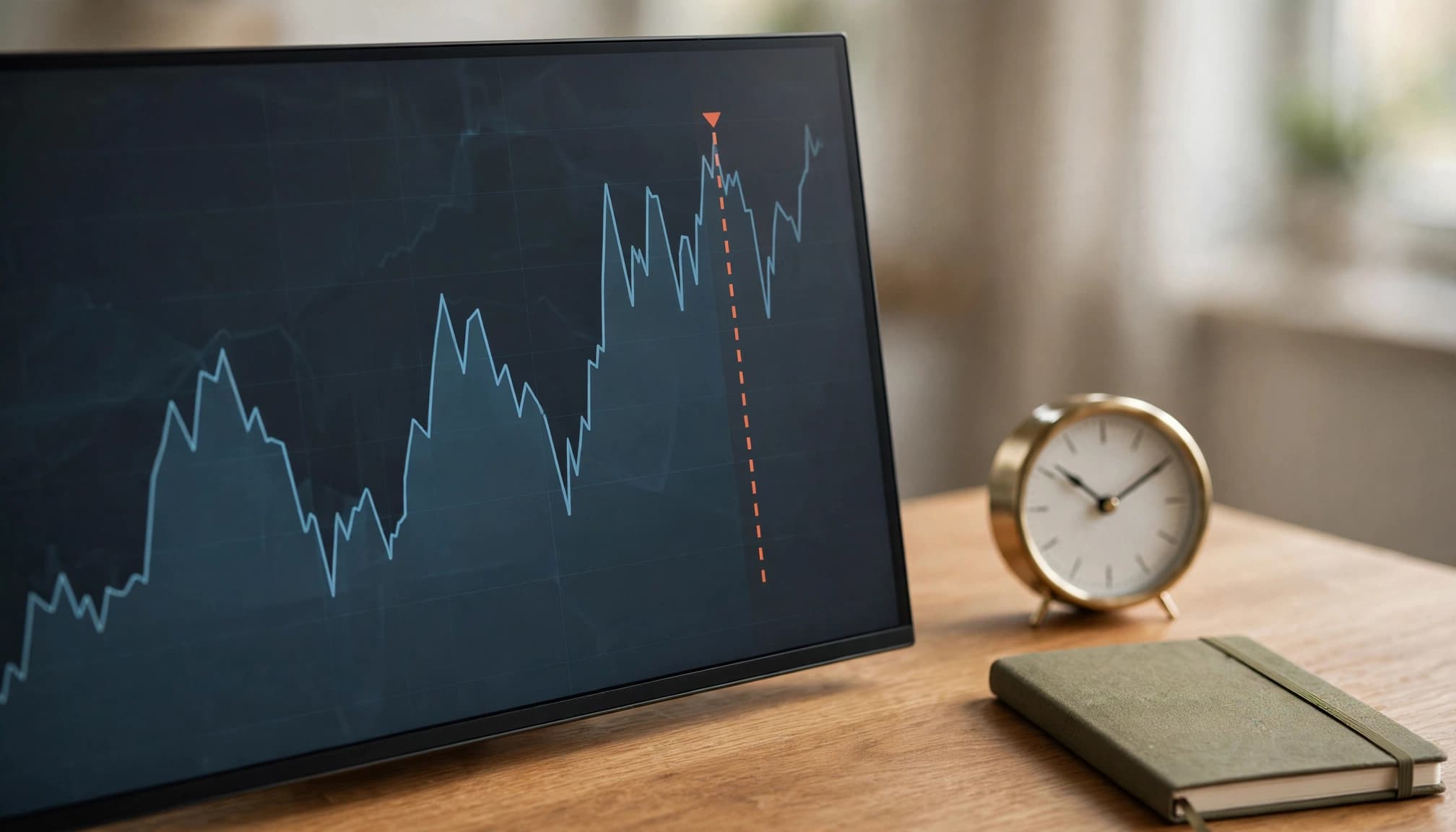
Check the settlement price, expiry notice and last trading time
The expiry date doesn’t necessarily tell you the last moment you can trade. A provider can set a cut-off before the end of that date or before the underlying market’s session ends.
For example, IG Ireland lists a 14:30 UK time cut-off on expiry day for certain US index futures CFDs, including its Wall Street and US 500 contracts. That time applies to the listed products, not to every index CFD.
I would record the exact instrument name, expiry date, last trading time and stated time zone together. Platform notices and contract specifications can also identify the reference used for settlement. If a notice changes a deadline, the distinction matters more than a date shown on an old watchlist.
Allow for spreads, financing, margin and price gaps
Closing a position and opening another can involve a spread, the difference between the buying and selling prices. Commission may apply as well, depending on the account and instrument. Conversion charges can matter when the trade and account use different currencies.
Rolling products may carry periodic financing. Our guide to forex swap rates explains how overnight costs can depend on the instrument, direction and provider’s cut-off.
The later contract can also have a different price and margin requirement. A price difference between contract months isn’t automatically a profit or loss you can capture; the two contracts are separate exposures.
Fast markets and gaps can cause slippage, where an order fills at a different price from the one expected. An ordinary stop-loss doesn’t guarantee its requested exit price. A guaranteed stop, where offered, has its own conditions and potential charges.
How to prepare before a CFD position expires
Preparation means identifying the terms that apply to your position before deciding what to do. It doesn’t mean that closing or moving a trade is automatically the better choice.
Identify the product and contracting entity
Start with the full instrument name and contract month on your position. Similar-looking symbols can refer to different expiry dates, underlying markets or account products.
Next, identify the legal entity named in your agreement. A broker group may serve customers through different entities, and a familiar brand doesn’t establish identical terms across them.
The UK, EU, EEA countries and Switzerland have distinct regulatory arrangements. Product availability and protections can also depend on whether you’re classified as a retail or professional client.
For covered UK retail CFD accounts, the FCA’s CFD restrictions include a margin close-out requirement when account funds fall to 50% of the margin needed to maintain open positions. That is a margin rule, not an expiry deadline, and it doesn’t prevent trading losses.
Compare the available actions and their costs
Read the instrument’s expiry and settlement terms alongside the applicable fee schedule. Then note the last trading cut-off in the stated time zone, allowing for any difference between that zone and your own.
If you want to close the position yourself, consider the available trading hours and order conditions. If you want continued exposure, establish whether the provider offers a rollover arrangement or whether you would need to open a later contract separately.
Compare the replacement contract’s spread, commission and margin requirement with those of the existing position. Also account for financing if the new product carries it. I would keep expected costs separate from slippage, because the eventual execution price depends on market conditions.
Finally, review any stop-loss or other working orders attached to the existing position. Don’t assume that instructions on one contract will transfer to another. The provider’s order terms determine what happens to them.
Frequently Asked Questions
Can a broker close my CFD automatically at expiry?
Yes. Some providers automatically close positions that remain open when an expiry-dated product reaches its deadline. The precise treatment depends on the instrument and agreement.
An automatic expiry closure is different from a margin close-out. The latter can happen before expiry if the account no longer meets the applicable margin conditions.
Will an expiring CFD turn into a new contract automatically?
That depends on the provider’s rollover arrangements and any instructions on the account. Some products require you to close the old position and open a later contract yourself.
A replacement position can have a different opening price and its own costs. Even where a provider offers automatic rollover, the old and new contract terms still matter.
Is a CFD expiry date the same as the underlying market’s expiry?
They can be related, particularly when a CFD references a futures contract. However, the provider’s CFD specifications set the relevant trading and settlement rules for your position.
The last time you can trade the CFD may differ from the deadline you see for the underlying market. I would use the CFD’s own instrument details when planning an exit.
Do I receive the underlying asset when a CFD expires?
CFDs are generally settled financially, so expiry doesn’t normally result in delivery of the underlying asset. The account receives a credit or debit based on the contract’s settlement terms.
For example, a commodity CFD doesn’t normally turn into a delivery of the commodity. The precise settlement method remains a matter for the agreement.
Can I keep an expiry-dated CFD open after the cut-off?
Trading may stop at the stated last trading time, after which the provider may close or settle the position under its terms. You shouldn’t assume there’s a grace period in which you can still place an order.
If a later contract is available, opening it creates a separate exposure unless the provider’s arrangements state otherwise. Its price and margin requirements may differ from those of the expiring contract.
Check the Contract Before the Deadline
CFD expiry can end a position or change how you maintain exposure. The outcome depends on the specific product and provider, rather than a single rule for all CFDs.
I would check the current expiry date, settlement reference, costs and exact cut-off before relying on a position remaining open. That won’t remove trading risk, but it makes the contractual deadline clearer.