

Terms of trade compare the prices a country receives for its exports with the prices it pays for imports. When export prices rise relative to import prices, the change can support the currency by increasing export income, but it doesn’t guarantee a stronger exchange rate.
I treat terms of trade as one influence among many, not a forecast: import costs, policy and capital flows can all change the outcome. To judge what the figures mean, it helps to separate price movements from trade volumes and distinguish a quoted exchange rate from a real effective exchange rate.
Key Takeaways
- Terms of trade compare export prices with import prices; an improvement doesn’t prove export volumes or the trade balance have risen.
- Higher export receipts may support a currency when converted into local money, but import demand can absorb some of the gain.
- IMF research on terms-of-trade cycles finds current accounts initially offset about half of an income shock, largely through imports.
- Capital flows, risk appetite and policy, including central-bank rate decisions, can outweigh trade-price effects.
- I use terms-of-trade data as context, not a forex signal; compare it with currency quotes and broader measures of exchange-rate performance.
How Terms of Trade Affect a Country’s Currency
A country’s terms of trade compare export prices with import prices. The measure is calculated as (export-price index ÷ import-price index) × 100. A rising figure means export prices have improved relative to import prices, but it does not show that export volumes or the trade balance have increased.
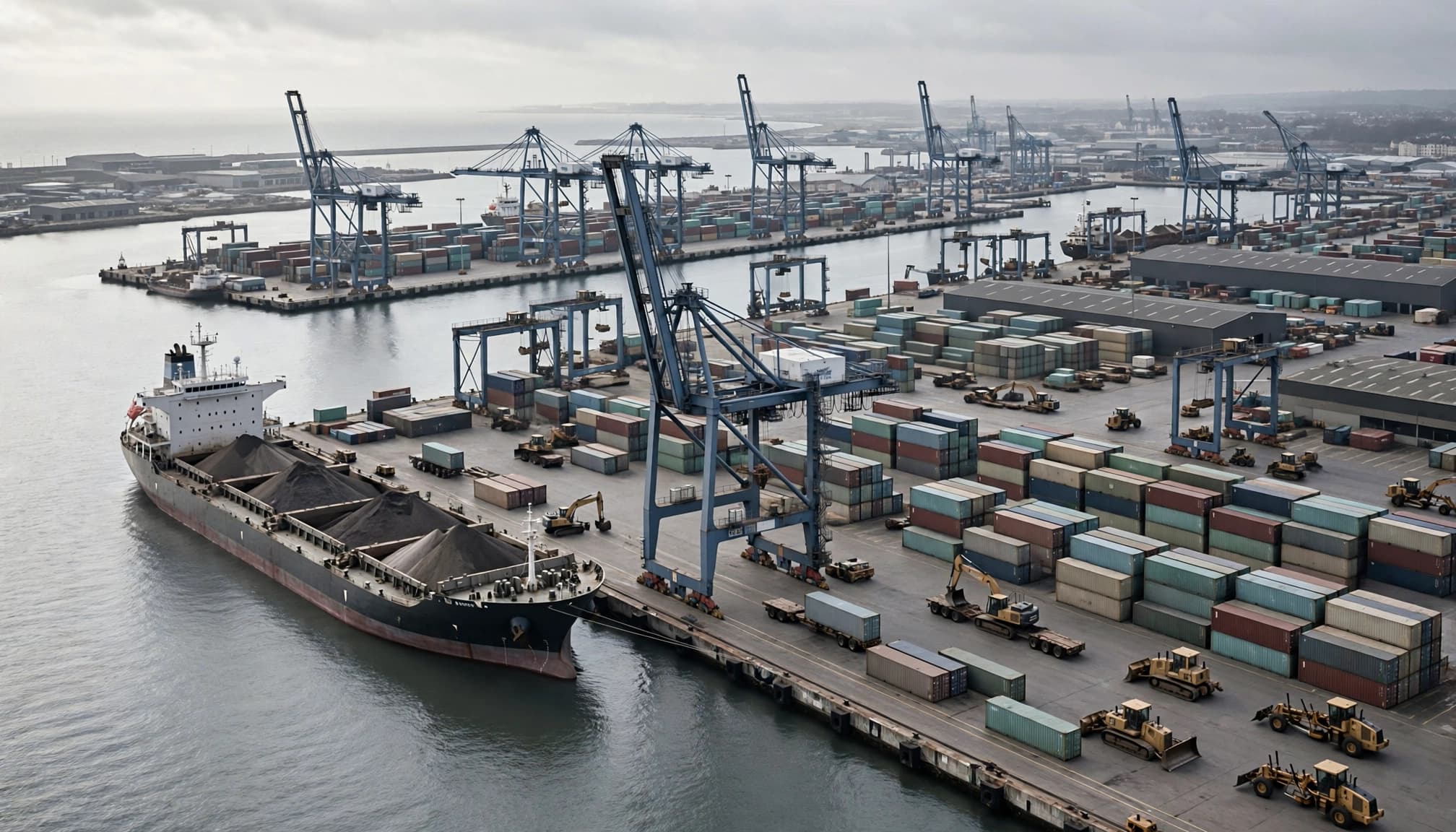
How export prices can bring more foreign currency into the economy
When export prices rise, exporters can earn more from sales, increasing the economy’s purchasing power. If overseas buyers pay in foreign currency, some exporters may exchange those receipts for local currency to cover wages, taxes or domestic suppliers. That conversion can increase demand for the local currency.
However, the effect depends on what exporters do with their receipts. They may retain foreign currency, repay foreign-currency debt or hedge future payments, so higher export prices do not guarantee stronger currency demand. I treat the price change as one possible support for the exchange rate, rather than a forecast.
Why higher import costs can weaken the same benefit
Higher prices for imported fuel, food, machinery and production inputs can absorb some of the extra export income. Importers may need more foreign currency to pay the same invoices, adding to demand for it and offsetting the support from export receipts.
The price effect is separate from changes in trade volumes. A country can receive more per unit of exports while selling fewer units, or pay more per unit of imports without buying a larger quantity. The IMF found that import responses initially offset about half of the income effect from terms-of-trade shifts in its study sample. For a related measure of external flows, see what the Eurozone current account tells forex traders. The IMF’s study of terms-of-trade cycles shows why export-price gains alone do not determine a currency’s direction.
When better terms of trade support a currency, and when they do not
An improvement in a country’s terms of trade can support its currency, but the timing and strength of that effect depend on what happens to export earnings, imports and investor confidence. I treat it as one influence on exchange rates, not a reliable forecast.
Commodity exporters can see different effects over time
For a copper exporter, a higher world price may lift export income before production changes. If firms convert some foreign-currency receipts to pay local costs, demand for the domestic currency may rise. However, exporters can also hold or hedge those receipts, so the extra income doesn’t guarantee greater currency demand.
The effect can change as companies invest in mines, transport links and other infrastructure. They may import machinery before expanded production generates additional export receipts. Higher income can also increase demand for imported goods. As oil prices affect currency movements, the outcome depends on the country’s export mix and wider economic conditions, not one commodity price alone.

A stronger real exchange rate is not always a stronger quoted currency
A real appreciation reflects changes in exchange rates and relative prices. If export income boosts domestic demand, local prices for services and other goods that aren’t traded internationally may rise. The country can therefore become more expensive relative to its trading partners even if its quoted currency rate barely moves.
That change can reduce exporters’ price competitiveness over time. The IMF discusses this real-exchange-rate channel in its analysis of commodity terms-of-trade booms. A real appreciation and a rise in a currency pair’s quoted rate describe different things.
Other forces can outweigh export-price gains
Exchange-rate policy and central-bank decisions can reinforce or offset the terms-of-trade effect. So can interest-rate expectations, which influence the relative returns investors expect from holding assets in different currencies.
Capital flows, global risk appetite and political uncertainty matter too. Investors may move funds away from a commodity exporter during a period of heightened risk, even when its export prices are favourable. I would compare these forces with trade and currency data before attributing a move to better terms of trade alone.
How to assess terms of trade before drawing forex conclusions
I treat terms-of-trade data as one part of a currency assessment, not a standalone trading signal. Before linking a price change to an exchange rate, I check what the country trades and compare the same periods across relevant data.
Check the country’s actual export and import mix
A rise in one commodity benchmark may have little effect on a country whose exports include many other goods. Check the main export categories and their weights, then compare export and import prices with volumes over matching periods. The IMF’s balance of payments statistics framework distinguishes between trade values, volumes and prices, which describe different changes.

Also check whether imported fuel, machinery or other production inputs have become more expensive. Those costs can offset stronger export prices, particularly when businesses need to import more to maintain or expand production.
Compare the exchange rate with trade, policy and capital-flow evidence
First, identify the currency pair and quote direction. A rise in EUR/USD means the euro buys more US dollars, but says nothing by itself about its value against other currencies. Compare the rate over the same dates as the trade data, and distinguish the observed price move from an explanation of its cause.
Then consider policy expectations, capital flows and other developments affecting both currencies. Finally, separate the nominal exchange rate from inflation-adjusted measures: purchasing power parity and forex trading address price-level comparisons, not simply the quoted market price. A terms-of-trade improvement may provide useful context, but it cannot establish why a currency moved or where it will go next.
Frequently Asked Questions
These answers clarify what terms-of-trade data can tell you, and where it stops. I treat the figures as economic context, not a direct explanation or forecast of currency movements.

What does an improvement in a country’s terms of trade mean?
It means export prices have risen relative to import prices over the period measured. That price change alone doesn’t show that trade volumes, the trade balance or the currency improved.
Do higher commodity prices always strengthen an exporter’s currency?
No. Higher prices may lift export income, but lower export volumes or more expensive imports can offset the gain. The effect also depends on whether exporters convert foreign-currency receipts, how policymakers respond, capital flows and wider market conditions.
Can a country’s terms of trade improve while its currency falls?
Yes. Other forces, such as capital outflows or policy uncertainty, can outweigh stronger export prices. An exchange rate compares two currencies, so a fall against one currency doesn’t prove that the currency weakened against every other currency. The IMF glossary’s explanation of exchange rates covers this pair-by-pair comparison.
Are terms of trade the same as the trade balance?
No. Terms of trade compare export prices with import prices, while the trade balance compares the value of exports with the value of imports. Prices and quantities can change differently, so an improvement in the price ratio doesn’t establish that the trade balance has improved.
Can traders use terms-of-trade data as a buy or sell signal?
Terms-of-trade data can provide useful background, but it isn’t a dependable standalone signal. I’d assess the release date, market expectations, policy, trade volumes and costs alongside wider risks. Currency markets can react to what was expected, as well as the published data, so inflation surprises and currency movements offer a related example of why context matters. Forex and CFD trading also involve costs and risks, including leverage-related losses; this information isn’t personalised financial advice.
Conclusion
Better terms of trade can support a currency by increasing export income, but the effect depends on how those gains flow through the economy. Import prices, trade volumes and the way exporters handle their receipts all shape the result.
I treat terms of trade as context, not a forecast. Policy and capital flows also matter, so a price improvement cannot predict a currency’s next move.


